Our local walking group is about much more than stretching our legs and enjoying some fresh air. Each week, as we stroll through familiar paths and green spaces, we take time to pause, look closely, and learn about the plants and flowers that surround us. Nature has so much to teach, especially when you slow down long enough to notice the details.
This week’s walk brought us face to face with one of the earliest signs of spring — catkins.
What Are Catkins?
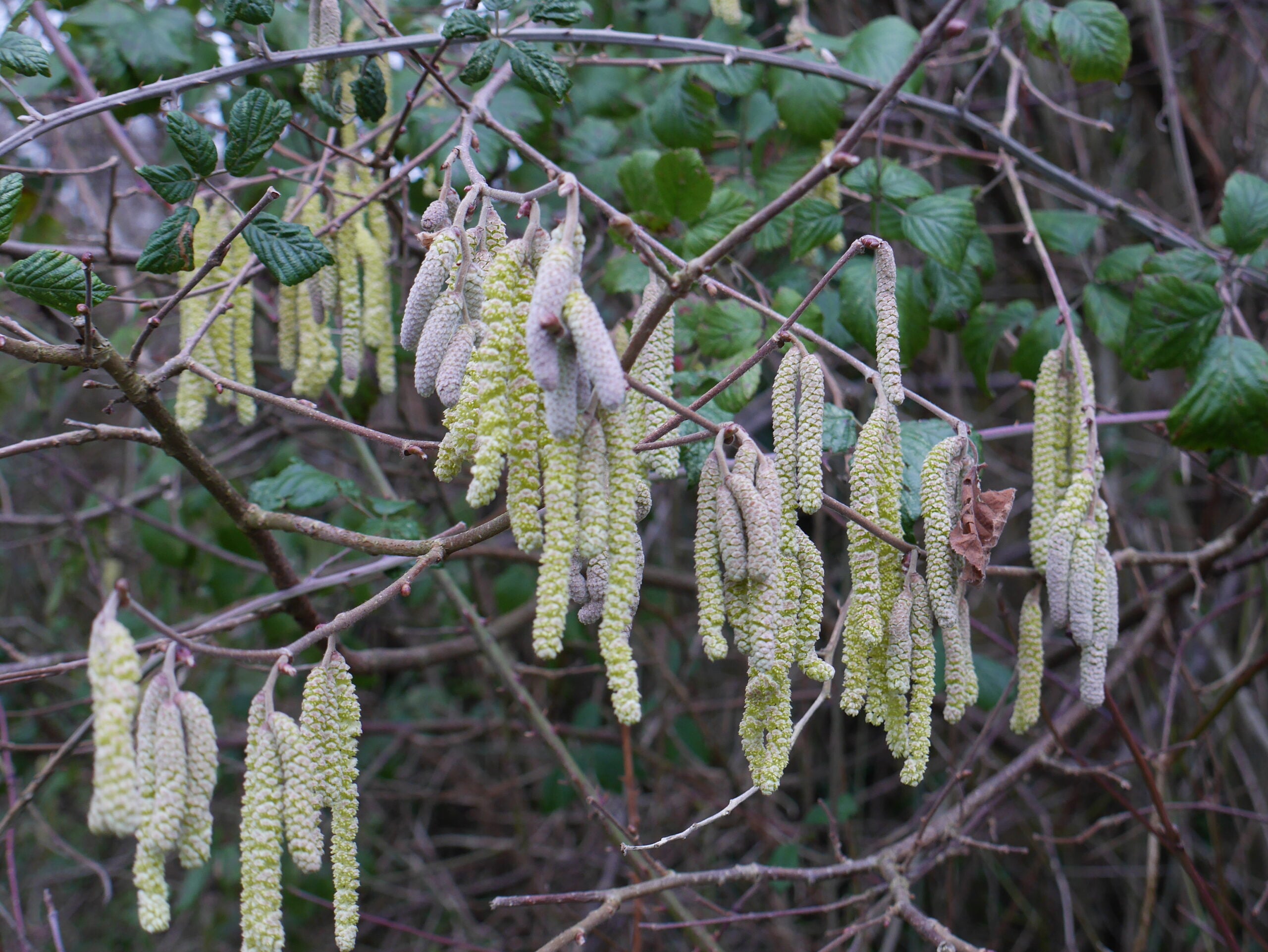
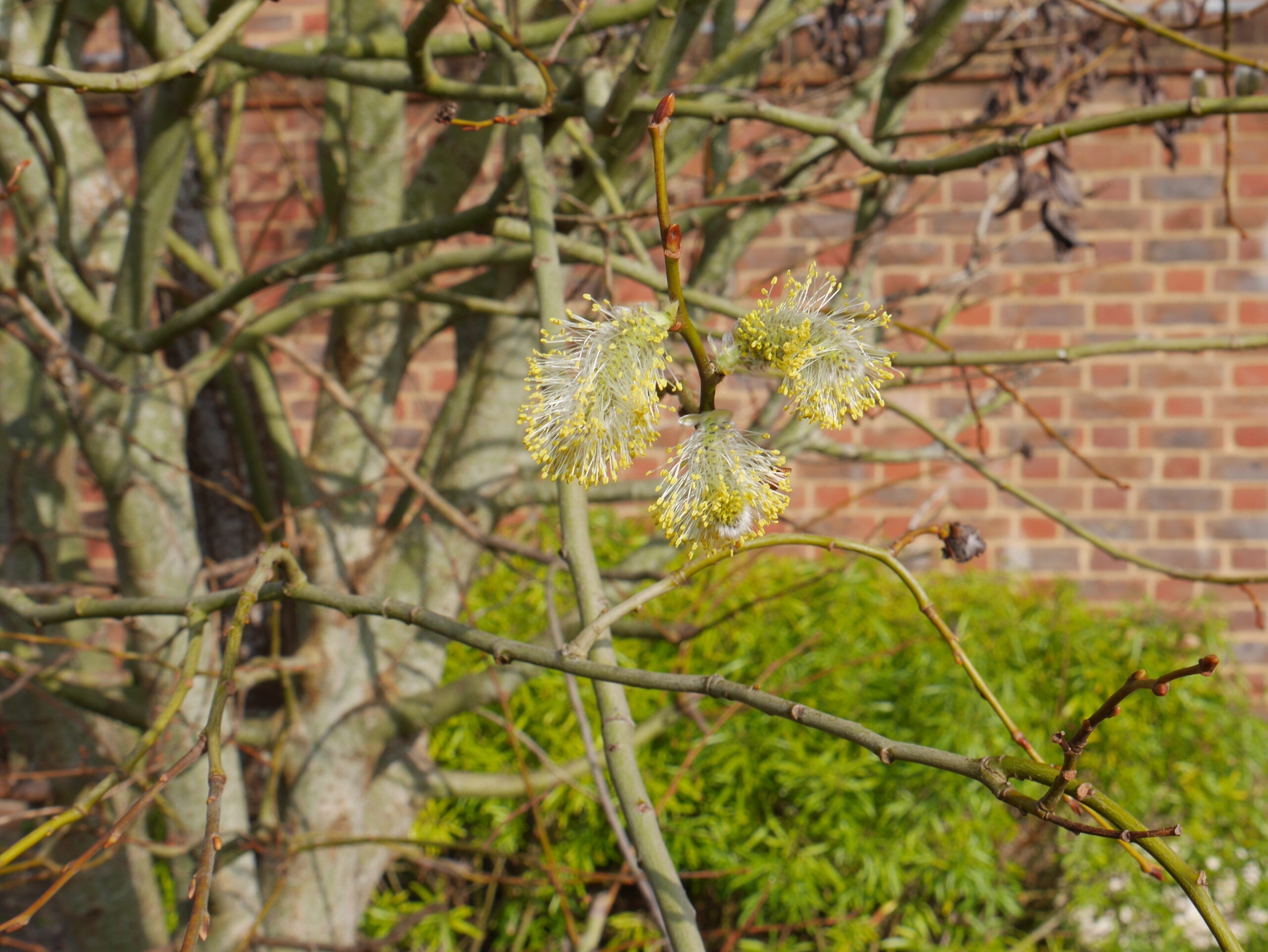
Catkins are long, slim, dangling clusters of flowers that appear on certain trees in late winter and early spring, often before the leaves emerge. They don’t have petals, and at first glance can look soft and furry, which is why they are sometimes fondly called “lambs’ tails.”
Once you start noticing them, you realise just how many trees rely on these fascinating structures.
Trees That Have Catkins
Several common trees produce catkins, and many of them can be found right along our walking routes:
- Hazel – Often the first to show its catkins, hazel is a bushy tree whose pale yellow catkins hang in clusters.
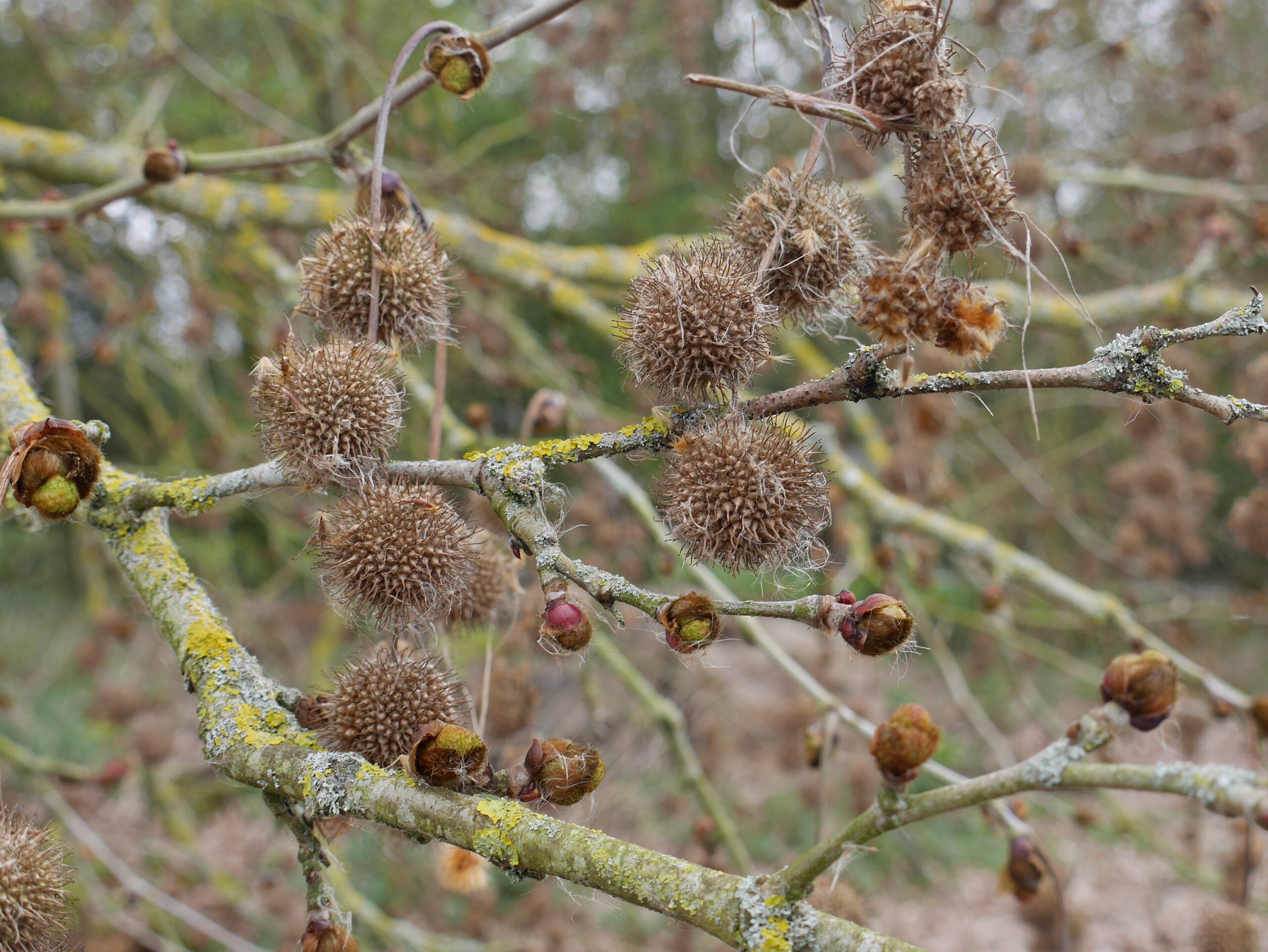
- Alder – Typically found near water, alder trees sometimes still carry last year’s small, woody cones while the new catkins appear.
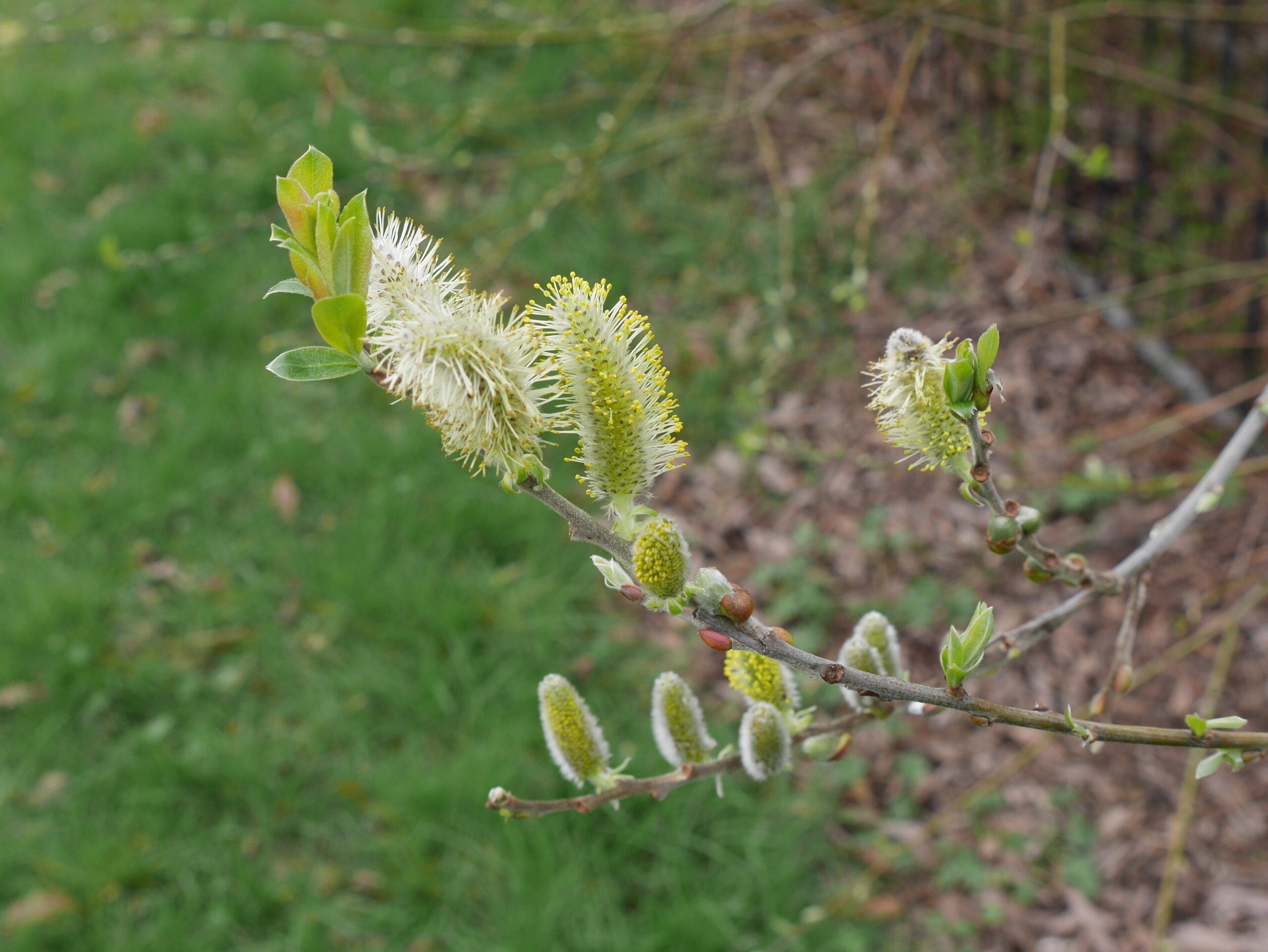
- Willow (Pussy Willow) – Known for its beautiful silvery catkins that later turn yellow as they produce pollen.
Male and Female Catkins
Here’s something many of us didn’t know before this week: there are both male and female catkins.
They are often found on the same tree, but not always.
- Male catkins are the most noticeable and appear first. They produce large amounts of pollen.
- This pollen is carried by the wind to female catkins, which are usually smaller and less obvious.
What Happens After Pollination?
After releasing their pollen, the male catkins fall to the ground — their job is done.
The pollen that reaches the female catkins fertilises them. Over time, these fertilised flowers develop into seeds and nuts, continuing the life cycle of the tree.
Our walks are a reminder that learning doesn’t have to happen in a classroom. Sometimes, all it takes is a good pair of shoes, a curious mind, and a group of friends willing to stop and look a little closer at the world around us